Wallets and exchanges solve different control and execution problems. A wallet manages private keys and signs transactions onchain; an exchange operates an internal ledger and executes trades against its order book or liquidity pool. The choice between them determines who holds the asset, how fast you can move it, what transaction costs you pay, and which failure modes you inherit. This article maps the architectural differences, custody mechanics, and operational boundaries that matter when you route capital through one or both.
Custody Architecture and Key Control
A noncustodial wallet (software or hardware) stores your private key locally. You sign transactions client-side, then broadcast them to the network. The wallet software constructs the transaction, applies your signature, and submits it to nodes. You control the key; you control the asset. Loss or compromise of the seed phrase means permanent loss of funds.
An exchange holds your private keys in its infrastructure. When you deposit, you transfer onchain ownership to an address the exchange controls. Your balance becomes a database entry in their system. Withdrawals require the exchange to sign and broadcast a transaction on your behalf. You trust the exchange’s operational security, solvency, and willingness to process your withdrawal request.
Hybrid custodians (e.g., multisig wallets with third party cosigners, or collaborative custody models) split key material across parties. These reduce single points of failure but add coordination overhead and trust assumptions about the cosigner’s availability and honesty.
Trade Execution and Settlement Speed
Exchanges settle trades internally. When you buy BTC with USDT on an exchange, the engine updates two database rows. Settlement is instant, and you can reverse direction (sell back to USDT) in milliseconds. No blockchain confirmation delay, no gas fee per trade. This matters for strategies that require rapid entry and exit or frequent rebalancing.
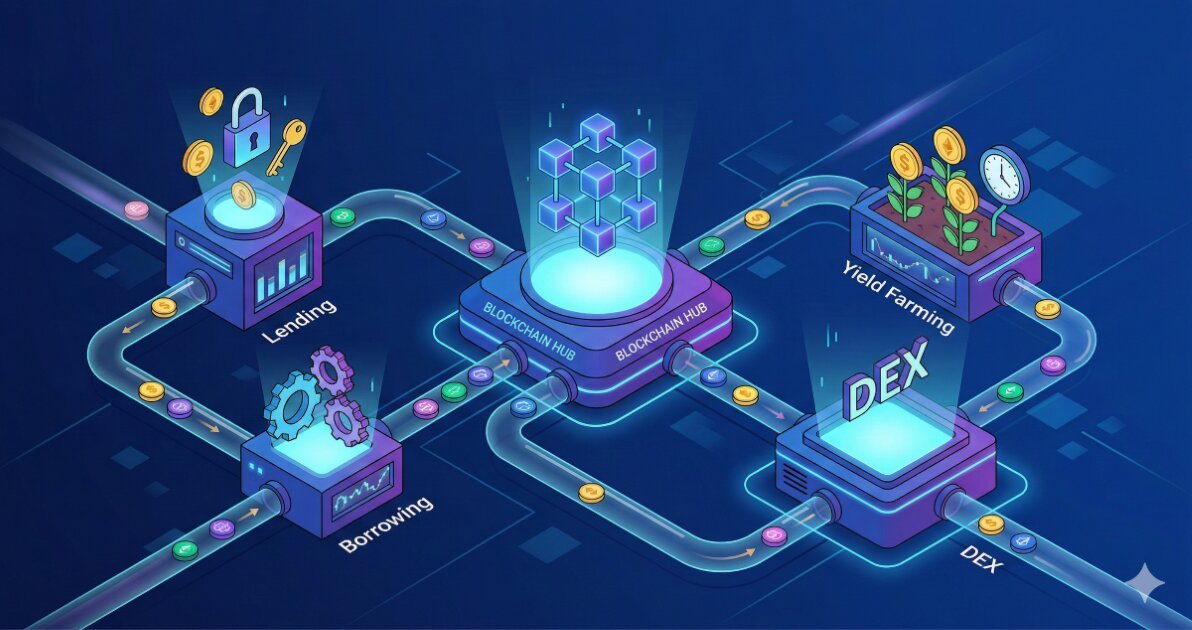
Wallets execute trades onchain via decentralized exchange (DEX) protocols or require you to deposit to an exchange first. A swap on Uniswp or a similar automated market maker involves broadcasting a transaction, waiting for block inclusion (seconds to minutes depending on the chain), and paying gas. If you need to move from wallet to exchange, you add another onchain transfer and confirmation wait. For high frequency execution, this latency is prohibitive.
Fee Structure and Cost Transparency
Exchanges charge trading fees (maker/taker spreads, often tiered by volume), withdrawal fees (a fixed or percentage based charge per outbound transaction), and sometimes deposit fees. These are explicit line items, but the exchange also embeds spread in the quoted price. You pay for liquidity, execution guarantees, and custody infrastructure.
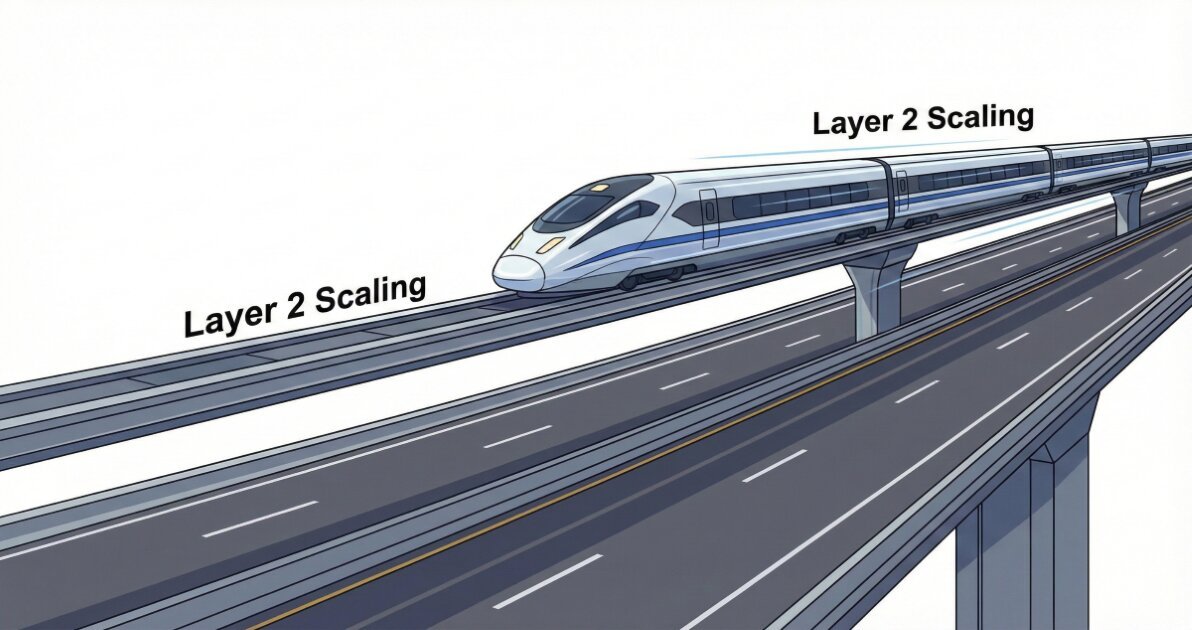
Wallets do not charge trading fees for self custody, but you pay network gas for every onchain action: swaps, transfers, contract interactions. Gas costs fluctuate with network congestion. During peak demand periods on Ethereum mainnet, a single swap can cost tens of dollars. Layer 2 networks and alternative chains reduce this, but you still pay per transaction. DEX swaps also incur slippage and protocol fees (e.g., 0.3% to liquidity providers on many Uniswap pools).
The cost crossover depends on trade frequency and transaction size. Frequent small trades favor exchange internal settlement. Infrequent large moves may favor wallet-based execution if you avoid withdrawal fees and custody risk, but only if gas costs remain manageable.
Counterparty and Operational Risk
Exchange custody introduces insolvency risk, operational failure, and regulatory seizure. If the exchange becomes insolvent (whether from mismanagement, hack, or fraud), your claim is unsecured and subject to bankruptcy proceedings. Withdrawal halts, whether due to liquidity crunch or regulatory action, can lock your funds indefinitely. Historical examples from 2022 onward illustrate that even large, established platforms can fail.
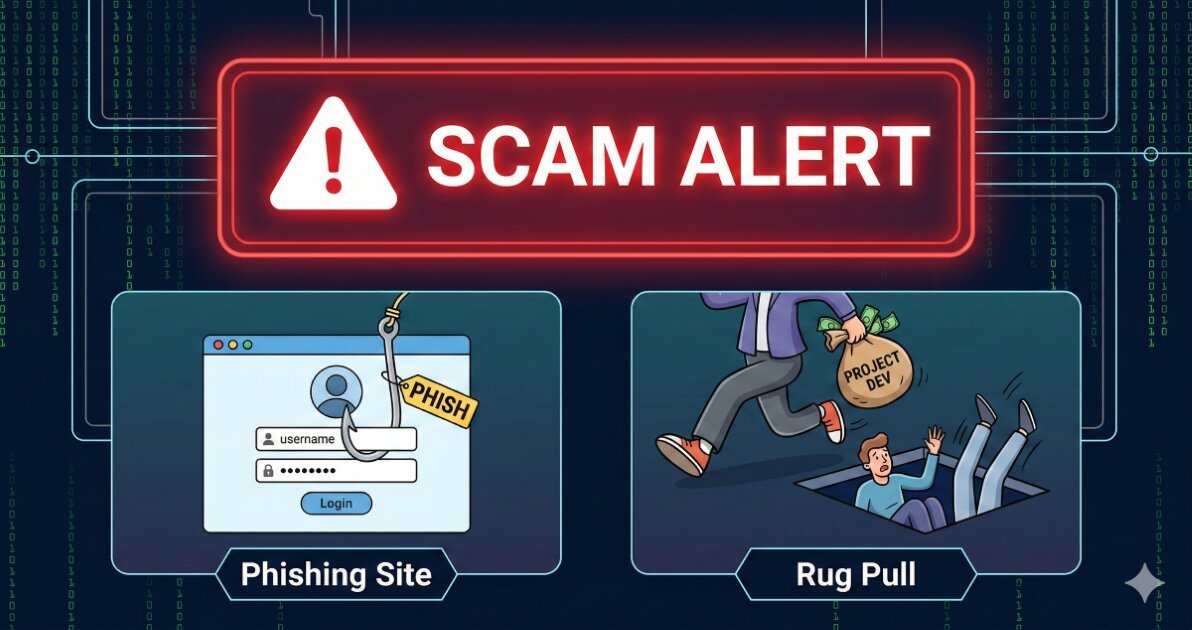
Wallet custody shifts risk to key management and software integrity. Phishing attacks, malware that replaces clipboard addresses, and compromised seed phrases are common attack vectors. Hardware wallets mitigate software exploits but introduce physical security and backup considerations. Smart contract wallets add code execution risk; a bug in the wallet contract can expose funds.
Both models require vigilance. Exchanges demand trust in a legal entity and its controls. Wallets demand personal operational security and disaster recovery planning.
Regulatory and Privacy Considerations
Exchanges operate under know your customer (KYC) and anti money laundering (AML) regimes in most jurisdictions. Account opening requires identity verification, and the platform reports large transactions or suspicious activity to regulators. Your trading history and balance are visible to the exchange and, by extension, to any entity with legal access to their records.
Wallets, especially noncustodial software wallets, allow pseudonymous operation. Your onchain activity is public (all transactions are visible on the blockchain), but wallet addresses are not inherently tied to your legal identity unless you link them through exchange deposits, KYC’d services, or onchain analysis. Privacy focused chains or protocols (mixers, coinjoin, zk proofs) can obscure transaction graphs, though regulatory scrutiny of these tools has increased.
If compliance or reporting obligations matter to your use case, exchanges provide transaction history exports and tax reporting integrations. Wallets require you to track and reconstruct this yourself from onchain data.
Worked Example: Arbitrage Between Onchain and Centralized Venues
You identify a price discrepancy: BTC trades at $30,200 on an exchange and $30,050 on Uniswap. You hold 1 BTC in a noncustodial wallet. To capture the spread, you could sell on the exchange and rebuy onchain, but you first need to deposit the BTC to the exchange.
- Broadcast a transfer from wallet to exchange deposit address. Cost: $5 in network fees. Time: 10 to 30 minutes for sufficient confirmations (varies by exchange policy).
- Once credited, sell BTC for USDT on the exchange. Cost: 0.1% taker fee (roughly $30). Settlement: instant.
- Withdraw USDT to your wallet. Cost: $10 withdrawal fee. Time: 10 to 60 minutes.
- Swap USDT for BTC on Uniswap. Cost: $15 gas plus 0.3% protocol fee (roughly $90). Time: transaction confirms in the next block.
Total cost: roughly $150 in fees. The $150 spread vanished during deposit confirmation time, or the gas spike erased your margin. The latency and fee stack make this uncompetitive against a trader with balances already on both sides.
Now consider the same scenario with funds already on the exchange and stablecoins in the wallet. You sell BTC for USDT instantly, buy back onchain, and avoid one leg of deposit delay. But you still pay withdrawal and gas costs. The operational advantage belongs to those who maintain working capital in both venues and can execute both legs simultaneously.
Common Mistakes and Misconfigurations
- Reusing deposit addresses across sessions. Some exchanges rotate deposit addresses for privacy or internal accounting. Sending to an old address may result in delayed credit or loss.
- Ignoring minimum confirmation requirements. Depositing to an exchange before the required confirmations elapse means your funds are in transit but not yet credited. If the price moves against you during this window, you cannot react.
- Underestimating gas volatility for time sensitive transactions. Setting a low gas price to save fees can result in pending transactions during high demand. Your trade or transfer may confirm hours late or not at all if you do not bump the fee.
- Storing seed phrases in password managers or cloud services. Seed phrases in plaintext on networked devices are vulnerable to remote theft. Hardware isolation or encrypted offline storage is necessary.
- Misunderstanding withdrawal whitelisting and address verification. Many exchanges require you to whitelist destination addresses and impose a waiting period before the first withdrawal. If you need emergency liquidity, this delay can be critical.
- Conflating wallet software security with wallet custody security. A reputable wallet app does not protect you if you approve a malicious transaction or sign a permit that drains your balance. The interface is not the security boundary; the key is.
What to Verify Before You Rely on This
- Current withdrawal fees and minimum withdrawal amounts for each asset on your exchange. These change without notice.
- Deposit confirmation requirements (number of blocks) for the specific chain and asset. Bitcoin, Ethereum, and other chains have different policies.
- Exchange solvency signals: proof of reserves publications, audit reports, regulatory filings. Verify timestamps and scope.
- Wallet software provenance and update mechanism. Use official sources; verify signatures or checksums if available.
- Gas fee estimation tools and network congestion metrics for the chains you use. Historical averages do not predict current costs.
- Smart contract wallet code audit status and upgrade mechanism. Know whether the wallet contract is immutable or controlled by a multisig or admin key.
- KYC and withdrawal limit policies, including enhanced verification triggers and geographic restrictions.
- Backup and recovery procedures for your wallet, including seed phrase storage location and access plan in case of incapacity.
- Compatibility of your wallet with the specific token standards and chains you intend to use (ERC-20, BEP-20, native assets, etc.). Sending to an incompatible address can result in irreversible loss.
- Regulatory status of both the exchange and the jurisdiction where you hold funds. Sanctions, exchange insolvency proceedings, or sudden regulatory changes can freeze assets.
Next Steps
- Map your trade frequency and average transaction size to estimate the cost crossover between exchange and wallet execution. Include gas, trading fees, and withdrawal fees in the calculation.
- Implement a withdrawal test from each exchange you use. Confirm the timing, fee structure, and address whitelisting process before you need emergency access.
- Set up a hardware wallet or secure offline backup for any keys controlling material balances. Test the recovery process with a small amount before committing significant capital.
Category: Crypto Wallets