Crypto market news arrives in fragments across chains, protocols, protocols, exchanges, and regulatory jurisdictions. For traders and analysts, the challenge is not access to information but converting noisy event streams into actionable trade signals and risk adjustments. This article describes how to build a systematic news triage and interpretation workflow, the structural factors that determine news impact, and the failure modes that lead to false signals or missed opportunities.
News Classification by Mechanical Impact
Not all news moves markets through the same mechanism. Classify incoming events by how they change onchain state, capital flows, or expected protocol behavior.
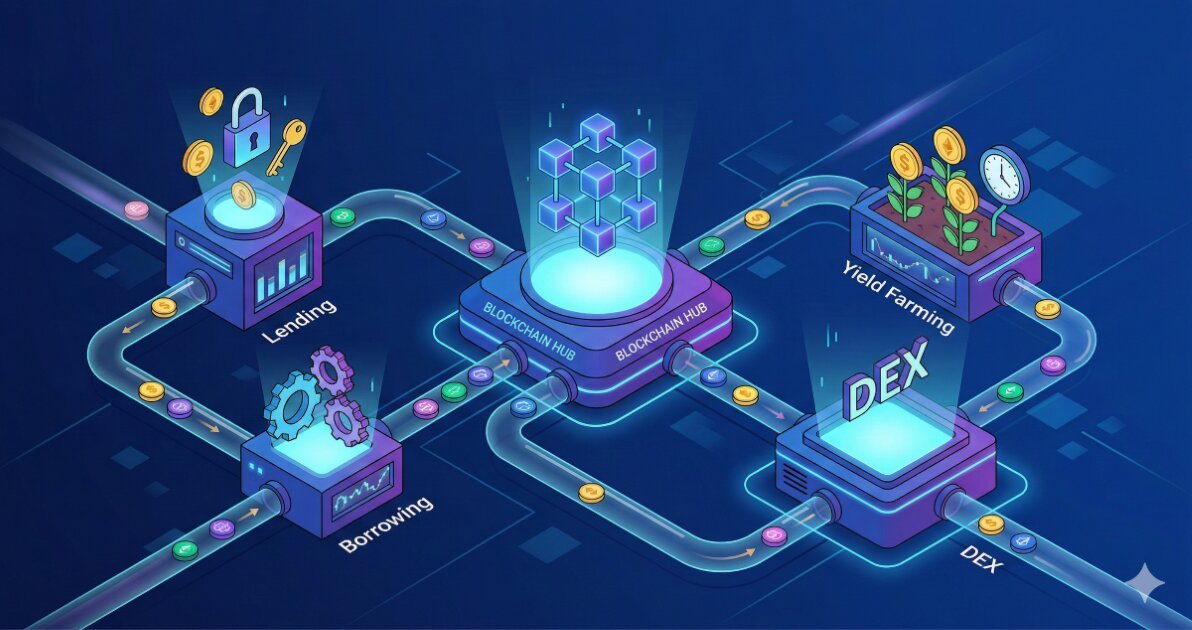
Protocol parameter changes modify contract logic directly. A governance proposal changing a liquidation threshold, fee structure, or oracle source creates immediate implications for position sizing and collateral requirements. These events have known effective dates and can be tested in simulation before execution.
Liquidity and capital events include exchange listings, institutional custody announcements, or bridge deployments. These expand or contract available trading venues and affect slippage calculations and counterparty risk profiles. The time lag between announcement and actual liquidity migration varies but is usually measurable in days.
Regulatory and compliance events alter the legal status of assets, trading venues, or custodial services in specific jurisdictions. These create discontinuities in market access rather than gradual price shifts. The impact depends on where your infrastructure and counterparties are domiciled.
Exploit and security events force immediate reassessment of protocol solvency, bridge integrity, and contagion risk. The first reports are often incomplete. The key data points are affected contract addresses, amount at risk, and whether the exploit vector still exists.
Building a Multi Source Aggregation Layer
Relying on a single news feed introduces coverage gaps and delay. Effective monitoring combines onchain event listeners, exchange announcements, governance forums, and regulatory trackers.
Onchain event monitors track emitted events from key contracts. A proposal submission to a DAO, a large mint or burn event, or a sudden change in pool reserves all generate onchain signatures before they appear in media. Tools that index and alert on specific event types reduce latency by hours compared to waiting for blog posts.
Exchange and protocol announcement channels publish feature launches, maintenance windows, and policy updates. These typically arrive via blog RSS feeds, Discord channels, or Telegram groups. Centralize these into a single aggregation tool to avoid manual checking.
Governance forums and proposal repositories contain technical details absent from summary announcements. A governance post explaining a parameter change includes the exact values, affected contracts, and implementation timeline. Reading the actual proposal prevents misinterpretation of secondhand summaries.
Regulatory filing databases track enforcement actions, license grants, and consultation papers. Many jurisdictions publish these in searchable databases before they reach crypto media outlets. For traders operating across borders, monitoring the primary sources in relevant jurisdictions is not optional.
Evaluating News Relevance and Timeframe
The same headline affects different strategies on different timescales. A position trader and a market maker respond differently to the same event.
Immediate execution triggers include exploit announcements affecting assets you hold, emergency protocol pauses, or exchange withdrawal suspensions. These require position exits or hedge deployment within minutes. Have precomputed exit plans for major holdings.
Short term repricing events cover most protocol upgrades, partnership announcements, and minor regulatory updates. Price impact typically resolves within hours to days. The opportunity lies in being faster than generalist traders who wait for aggregated summaries.
Long term structural shifts include major regulatory frameworks, infrastructure upgrades like Ethereum network transitions, or institutional custody solutions reaching production. These play out over quarters. The trade setup is positioning ahead of the eventual capital reallocation, not reacting to the announcement itself.
Worked Example: Processing a Governance Proposal
A major lending protocol posts a governance proposal to increase the USDC collateral factor from 80% to 85%. The proposal passes and will execute in 48 hours.
You currently use the protocol with ETH collateral to borrow USDC. The change does not affect your existing position directly, but it alters the competitive landscape. Higher USDC collateral factors make USDC deposits more capital efficient, likely attracting more USDC supply. Increased USDC supply may lower borrowing rates.
Your workflow:
- Confirm the exact parameter change in the proposal contract or governance forum post.
- Calculate the new maximum LTV for USDC depositors and compare to competitor protocols.
- Check current USDC borrow rates and model expected rate movement based on historical supply elasticity.
- If rates are expected to drop meaningfully, consider increasing your USDC borrow size before the migration of new supply.
- Set an alert for 24 hours post implementation to verify actual rate movement matched the model.
This process converts a governance announcement into a concrete position adjustment with measurable expected value.
Common Mistakes and Misconfigurations
Reacting to rumor or unverified social media posts without checking primary sources. Many supposed “leaks” are misinterpretations or fabrications. Verify against official channels or onchain evidence before acting.
Ignoring the implementation timeline between announcement and execution. A proposal announcement is not the same as a live contract change. Trading on the announcement without noting the timelock period leads to premature entries.
Failing to distinguish between testnet and mainnet deployments. Announcements sometimes reference testnet launches as if they are production ready. Confirm the network and contract addresses.
Overlooking jurisdiction specificity in regulatory news. A ban or restriction in one country does not automatically apply globally. Check which entities and geographies are actually affected.
Assuming all “partnerships” or “integrations” are equally meaningful. Many announcements describe trivial integrations or non exclusive relationships. Evaluate the actual technical or capital commitment.
Treating price movement as confirmation of news validity. Markets often move on false or misinterpreted news. Price action alone does not validate the underlying claim.
What to Verify Before You Rely on This
- The official announcement source for any protocol, exchange, or regulatory body you monitor.
- Contract addresses and transaction hashes for onchain events, especially governance proposals and upgrades.
- Effective dates and timelock periods for parameter changes or new features.
- Jurisdictional scope of regulatory announcements and which entities hold licenses in those jurisdictions.
- Whether an exploit or security event has been patched and funds are recoverable or permanently lost.
- Current liquidity depth on newly listed pairs or bridges before assuming tradeable size.
- The version or commit hash of protocol code if an upgrade is described in a news item.
- Whether your monitoring tools cover the chains and contracts relevant to your positions.
- The typical delay between your news sources and the primary event (onchain, official blog, etc.).
Next Steps
- Audit your current news sources for coverage gaps. Identify which protocols, chains, or regulatory bodies you trade around but do not monitor directly.
- Set up onchain event alerts for the top five contracts by your portfolio exposure. Use a service that lets you filter by event type and threshold.
- Create a decision tree mapping news types to required actions. Define which events trigger immediate exits, which warrant deeper analysis, and which are noise for your strategy.
Category: Crypto News & Insights